

You’ve got a truck that needs more space, but you don’t want to sacrifice durability or ease of use. Elevate’s ladder racks promise heavy‑duty capacity, adjustable lengths, and smart features like guard rails and sliding mechanisms. Each model tackles a different storage challenge—whether you’re hauling lumber, a kayak, or a full box‑truck load. The real question is which design aligns with your specific hauling needs and how the added functionality will impact your daily workflow.
| Heavy-Duty Extendable Aluminum Truck Bed Ladder Rack (600 lb) |
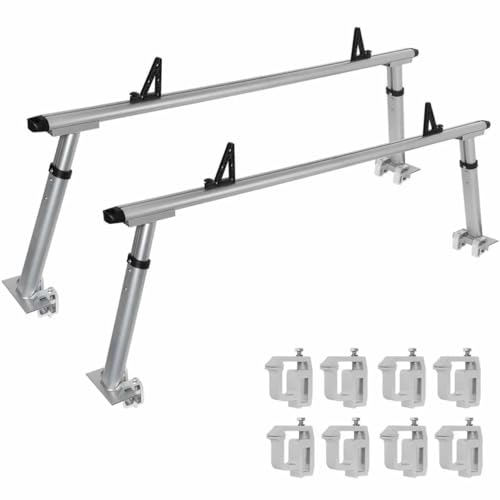
| Heavy‑Duty Champion | Load Capacity: 600 lb | Material: Aluminum tubing (powder‑coated) | Mounting Type: No‑drill clamps (8 heavy‑duty) | VIEW LATEST PRICE | Read Our Analysis |
| Truck Rack Adjustable 21″-30″ H 1000lb Capacity |
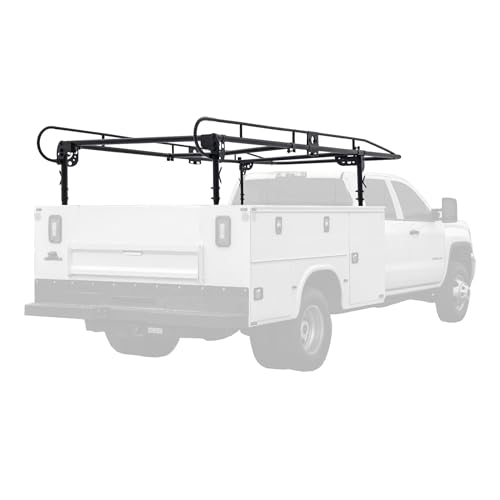
| High‑Capacity Pro | Load Capacity: 1,000 lb | Material: Steel (powder‑coated) | Mounting Type: U‑Bolt (universal automotive) | VIEW LATEST PRICE | Read Our Analysis |
| Elevate Universal Over-Cab Truck Ladder Rack 800 lb Capacity |
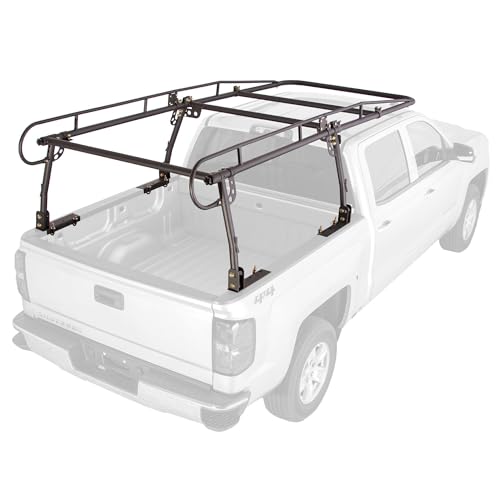
| Versatile Over‑Cab | Load Capacity: 800 lb | Material: Steel (powder‑coated) | Mounting Type: Clamp‑on (no drilling) | VIEW LATEST PRICE | Read Our Analysis |
| SLIDING LADDER RACK |

| Compact Saver | Load Capacity: 80 lb | Material: Not specified (presumed metal) | Mounting Type: Tension mounting (universal) | VIEW LATEST PRICE | Read Our Analysis |
| VEVOR Truck Ladder Rack – 1000 lb Adjustable Cargo Rack |

| Premium Powerhouse | Load Capacity: 1,000 lb | Material: Reinforced steel (powder‑coated) | Mounting Type: No‑drill J‑bolt system (8 pieces) | VIEW LATEST PRICE | Read Our Analysis |
More Details on Our Top Picks
Heavy-Duty Extendable Aluminum Truck Bed Ladder Rack (600 lb)
If you need a rugged, no‑drill solution for hauling heavy gear, the OUTPRIZE 600‑lb extendable ladder rack is the perfect fit. You’ll appreciate the high‑strength aluminum tubing, powder‑coated finish, and waterproof end caps that keep rust at bay. The rack clamps on with eight heavy‑duty, tool‑free fasteners, extending up to 66 in long and 27 in high, yet it weighs only 33 lb. Two movable rope baskets secure kayaks, surfboards, ladders, lumber, or tents, and the 2‑year warranty backs it up. Just remember it won’t work with utility track systems, side boxes, or truck covers.
- Load Capacity:600 lb
- Material:Aluminum tubing (powder‑coated)
- Mounting Type:No‑drill clamps (8 heavy‑duty)
- Adjustability (Length/Width):Length up to 66 in, height up to 27 in
- Guard Rails / Tie‑Downs:Moveable rope baskets (2) – no guard rails
- Weight:33 lb
- Additional Feature:No‑drill, tool‑free clamps
- Additional Feature:Powder‑coated rust resistance
- Additional Feature:Two movable rope baskets
Truck Rack Adjustable 21″-30″ H 1000lb Capacity
Need need a rugged, over‑cab solution that can haul ladders, lumber, or PVC pipes without making extra trips? The Elevate Outdoor truck rack gives you 160 in of length, 66 in of width, and an adjustable height from 21‑30 in, so you can match any box‑truck box. Its powder‑coated steel frame holds up to 1,000 lb, and five guard rails plus four tie‑down cleats keep loads secure. U‑bolt mounting fits virtually any vehicle, and the 102‑lb rack arrives with all hardware. You’ll cut trips, protect materials from the elements, and stay within a 30‑day Amazon return window.
- Load Capacity:1,000 lb
- Material:Steel (powder‑coated)
- Mounting Type:U‑Bolt (universal automotive)
- Adjustability (Length/Width):Height adjustable 21‑30 in, length fixed 160 in
- Guard Rails / Tie‑Downs:Five guard rails, four tie‑down cleats
- Weight:102 lb
- Additional Feature:Over‑cab storage design
- Additional Feature:Five guard rails per side
- Additional Feature:Integrated tie‑down cleats
Elevate Universal Over-Cab Truck Ladder Rack 800 lb Capacity
The Elevate Universal Over‑Cab Truck Ladder Rack is the ideal solution for anyone who regularly hauls heavy, bulky gear—up to 800 lb—while needing a sturdy, no‑drill installation. Its clamp‑on bed mounts attach in minutes, and the removable rear cargo bar lets you tackle taller loads without sacrificing strength. You’ll appreciate the 49‑64 in width adjustment, which fits most pickups, and the over‑cab design spreads weight to keep the cab roof pressure‑free. Integrated guard rails and a tie‑down cleat per leg secure every item, while the black‑finished steel construction adds durability. Rage Powersports backs it with a 30‑day return guarantee and warranty support.
- Load Capacity:800 lb
- Material:Steel (powder‑coated)
- Mounting Type:Clamp‑on (no drilling)
- Adjustability (Length/Width):Width adjustable 49‑64 in, length fixed 132 in
- Guard Rails / Tie‑Downs:Five guard rails per side, one tie‑down cleat per leg
- Weight:100 lb
- Additional Feature:Removable rear cargo bar
- Additional Feature:Width adjustable 49‑64 in
- Additional Feature:Incompatible with side‑step beds
SLIDING LADDER RACK
When you need a sturdy, space‑saving solution for hauling tools or gear on a pickup, the Weather Guard Sliding Ladder Rack delivers 80 lb of load capacity in a compact 38 × 6 × 7‑inch package. Its universal, tension‑mounted design slides effortlessly along the side rail, letting you pull the rack out for loading and tuck it back when you’re on the road. At 6.9 lb, it adds minimal weight while providing durable, white‑finished construction that resists rust. You’ll appreciate the easy installation, the secure 80‑lb rating, and the fact that it’s been a top seller since 2009. This rack maximizes cargo space without compromising style or strength.
- Load Capacity:80 lb
- Material:Not specified (presumed metal)
- Mounting Type:Tension mounting (universal)
- Adjustability (Length/Width):Fixed size 38 × 6 × 7 in (no adjustability)
- Guard Rails / Tie‑Downs:No guard rails or cleats mentioned
- Weight:6.9 lb
- Additional Feature:Universal fit tension mounting
- Additional Feature:Compact 38 × 6 × 7 in size
- Additional Feature:White color finish
VEVOR Truck Ladder Rack – 1000 lb Adjustable Cargo Rack
If you haul heavy ladders, lumber, or water sports gear, the VEVOR Truck Ladder Rack’s 1000‑lb load capacity makes it the ideal upgrade for rugged, versatile storage. Its heavy‑duty reinforced steel frame, powder‑coated finish, and aerodynamic air deflector keep rust at bay while reducing wind noise. You can adjust the width from 43.3 to 63 inches and set the installation length between 63 and 75.6 inches, fitting most trucks without drilling thanks to the quick J‑bolt system. A detachable rear crossbar lets you load taller items, and the detachable‑bar design simplifies loading. With a 30‑day return policy and warranty on request, you get dependable, flexible cargo support.
- Load Capacity:1,000 lb
- Material:Reinforced steel (powder‑coated)
- Mounting Type:No‑drill J‑bolt system (8 pieces)
- Adjustability (Length/Width):Width 43.3‑63 in, length 63‑75.6 in
- Guard Rails / Tie‑Downs:Detachable rear crossbar; tie‑down cleats not specified
- Weight:126.3 lb
- Additional Feature:Aerodynamic air deflector
- Additional Feature:Detachable rear crossbar
- Additional Feature:No‑drill J‑bolt system
Factors to Consider When Choosing Elevate Ladder Rack
When you pick an Elevate ladder rack, start by checking its load capacity and weight limits to guarantee it can handle your heaviest items. Next, verify that the material and mounting system match your existing setup and durability requirements. Finally, confirm the rack’s material strength and compatibility with any accessories you plan to use.
Load Capacity Capacity Capacity
Because the rack’s rated load capacity must exceed the total weight of everything you intend to carry—including tie‑down hardware—you should first verify that the specified capacity covers the combined load. Next, examine the distribution limits; make certain each side or shelf stays within its per‑zone rating so you don’t overstress a single point. Choose a material that matches your needs—steel or reinforced aluminum typically outperforms lighter alloys under heavy loads. Confirm that clamps, bolts, or U‑bolts are rated for at least the same load, because a weak mounting system will fail before the rack itself. Finally, factor in dynamic forces such as wind and vehicle motion, which can add to the static weight and push the rack beyond its nominal capacity. This systematic check guarantees safe, reliable storage.
AdjustMaterial Compatibility Options
Choosing the right material for your Elevate ladder rack starts with matching its corrosion resistance to your local climate, ensuring the frame—whether aluminum, steel, or reinforced steel—will stay durable against rain, snow, or salty air. Verify the rack’s material meets the environmental demands of your region, then confirm the mounting hardware—U‑bolt, clamp‑on, or no‑drill J‑bolt—fits your truck’s frame and any side‑step or tie‑down rails. Measure your bed and cab clearance; the rack’s width and height adjustment range must slot in without cutting or drilling. Align the load‑bearing capacity (600 lb, 800 lb, or 1,000 lb) with your cargo’s weight, and choose a finish—powder‑coated, waterproof end caps, or rust‑resistant coating—that protects both the rack and the items you’ll haul.
Material Strength and Durability
If you prioritize a balance of strength and weight, high‑strength aluminum tubing gives you a superior strength‑to‑weight ratio, letting the rack support up to 600 lb while weighing only about 33 lb. Aluminum’s lightness eases relocation, yet engineered flex stays within safe limits for everyday use. For harsher environments, powder‑coated steel resists corrosion, sealing joints and end caps keep moisture out, and the coating extends service life. When you need maximum capacity, reinforced steel frames handle up to 1,000 lb but add substantial weight—often over 100 lb—affecting portability. Rigid steel maintains shape under heavy loads, while aluminum may flex slightly but still distributes weight evenly when properly designed. Choose the material that matches your load demands, climate, and handling preferences.
Mounting System Types
While evaluating mounting options for an Elevate ladder rack, focus on how each system integrates with your truck’s structure and accessories. No‑drill clamp mounts let you bolt the rack using heavy‑duty clamps or J‑bolts, so you can install or remove it without drilling and keep your bed’s original finish. U‑bolt mounts require drilling holes in the frame, then threading bolts through the bed rails for a permanent, high‑strength bond that handles heavy loads. Tension‑mount systems use adjustable arms or straps that grip the bed edges, offering a reversible fit but potentially limiting capacity. Over‑cab designs attach to the cab roof or side rails, spreading weight across the vehicle’s frame and often needing extra reinforcement. Finally, verify that your chosen mount won’t interfere with existing accessories like tie‑down rails, side steps, or cargo covers.
Weight Capacity Limits
Even before you load a ladder, make sure the rack’s rated capacity exceeds the total weight of everything you plan to haul, including tie‑down hardware and accessories. Check the rack’s load rating against the combined mass of ladders, tools, and any brackets, and verify that the mounting system—clamps, bolts, or brackets—matches or exceeds that rating. Pay attention to how weight spreads across support points; uneven distribution can stress the frame and lower its effective capacity. Choose a material with a suitable strength rating—steel generally outperforms aluminum in heavy‑duty scenarios, but alloy thickness matters too. Finally, factor in dynamic forces like acceleration, braking, and wind, which can momentarily boost the load beyond the static rating, demanding a safety margin.
Weather Resistance Features
When you select a ladder rack, prioritize weather‑resistant features that keep the structure sound through rain, snow, and UV exposure. Look for powder‑coated metal finishes; they form a hard, corrosion‑resistant barrier that repels moisture and blocks harmful rays. Waterproof end caps or sealed joints stop water from seeping into joints, preventing rust and preserving strength. Opt for racks built from rust‑inhibiting alloys or galvanized steel, which stay bright and sturdy for years outdoors. Check that any moving parts—adjustable clamps, rope baskets—are coated with anti‑corrosion lubricants or protective paints. Finally, guarantee the design incorporates drainage channels or sloped surfaces so moisture runs off instead of pooling, keeping the rack dry and reliable.
Safety and Security Mechanisms
If you want your cargo to stay put, choose a rack that comes with integrated guard rails on both sides; they stop loads from sliding off during transit. Verify those rails are solid and welded, not just bolted on. Look for multiple tie‑down cleats on each leg, letting you strap or rope down items securely. Make sure the rack’s load‑capacity rating exceeds your heaviest load by at least 25 % to give a comfortable safety margin. Choose a powder‑coated or rust‑resistant finish so moisture won’t weaken the frame. Finally, confirm the mounting system—clamps, U‑bolts, or J‑bolts—matches your truck’s bed dimensions and can be tightened firmly without drilling, ensuring the rack stays locked in place under every road condition.